





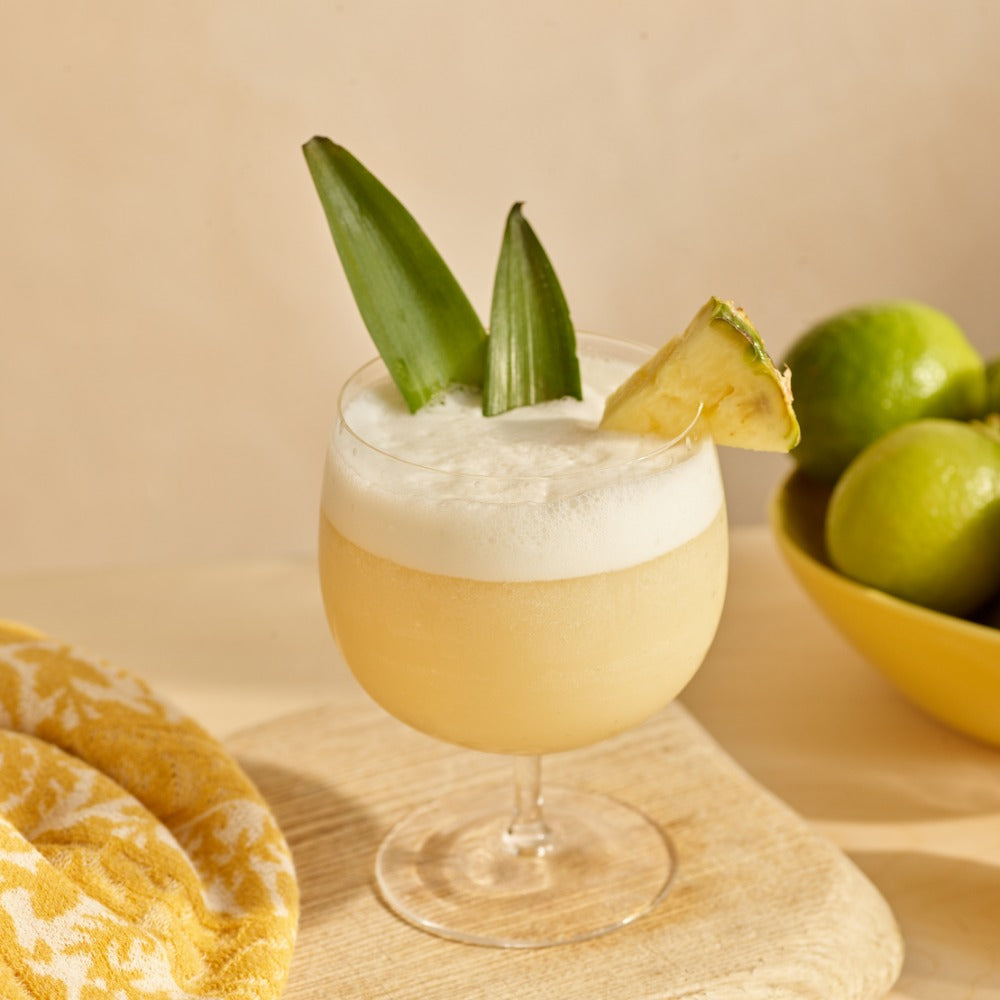
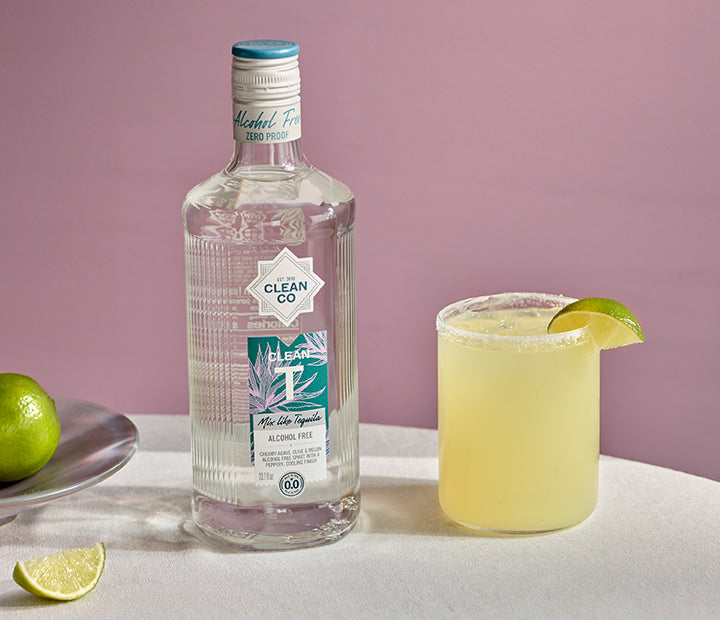

4 Easy Gin Cocktails For Summer
Summer calls for refreshing drinks, and you don't need alcohol to enjoy a sophisticated cocktail. Alcohol-free gin al...
Read More
Jan 09, 2026

Cocktails are a pretty standard part of drinking culture today - but have you ever wondered how they came about?
The history of cocktails is as spirited as the drinks themselves, weaving through centuries of cultural evolution and human ingenuity.
Join us as we explore the journey of cocktails through the ages, and unpack their history from ancient cultures to today.
The term "cocktail" first appeared in print in the early 19th century, but the concept of mixing spirits with other ingredients dates back much further. Some historians trace the origins of cocktails to the ancient Egyptians and Romans, who mixed their wines with various spices and herbs to enhance flavor and preserve the liquid. These early concoctions were more medicinal than recreational, often used to cure ailments and boost health.
As trade routes expanded during the Age of Exploration, spirits like rum, brandy, and gin became more accessible, leading to the creation of more complex mixed drinks. In the 17th and 18th centuries, British sailors popularised the practice of mixing rum with water, sugar, and lime to combat scurvy and make the harsh spirit more palatable. This drink, known as "grog," laid the groundwork for future cocktail recipes. Similarly, the punch, a mixture of spirits, citrus juice, spices, and water, became a popular communal drink in England and its colonies, signifying the early stages of cocktail culture.
The birth of cocktails as we know them today is often attributed to the early 19th century, when bartending began to emerge as a craft. The publication of "The Balance and Columbian Repository" in 1806 defined a cocktail as a stimulating liquor composed of spirits, sugar, water, and bitters. This definition set the stage for the golden age of cocktails, where bartenders experimented with various ingredients and techniques to create new and exciting drinks.

The word cocktail originally meant a drink of spirits, sugar, water, and bitters - basically an Old Fashioned. Anything else wasn’t a cocktail; it was a “fancy drink.”
A New York newspaper defined a cocktail as “a stimulating liquor” - the earliest known written explanation.
Dozens of towns claim they invented it (San Francisco, Martinez, New York).
No one actually agrees - but everyone claims they were first.
Before the 1800s, people didn’t have reliable access to ice. Once commercial ice harvesting began, Americans started putting ice in everything - and the cold cocktail era began.
Every bartender, actress, and border city seems to have a claim. It’s cocktail folklore at its finest.
The drink existed earlier, but the show made it the cocktail of the late ’90s. Sales skyrocketed.
It dates back to the early 1800s and is one of the few cocktails that never fell out of style.
In the late 1800s, bartenders like Jerry Thomas travelled internationally, performed tricks with flaming drinks, and earned salaries higher than most professions.
They actually started in tiki bars to keep the sun out of your drink — practical, not kitschy.
Examples:
1950s: prosperity → at-home martini culture
1970s: disco → sweet cocktails
1990s: club culture → easy drinking seltzers and breezers
2000s: foodie culture → craft cocktails
2020s: wellness → alcohol-free options
Cocktails are an evolving mirror of society’s priorities.

Cocktails stepped up a gear in the 19th century, when new bartending techniques created some of the most iconic drinks ever.
Bartenders like Jerry Thomas, often referred to as the "father of American mixology," revolutionised the craft with his recipes. His 1862 book, "How to Mix Drinks or The Bon-Vivant's Companion," is considered the first cocktail manual, offering a wealth of knowledge and solidifying the cocktail's place in culture.
Then came the industrial revolution, where the mass production of ice took off and the invention of carbonated water meant many more drinks were accessible.
The introduction of the shaker and other bar tools enabled more precise mixing and presentation, elevating the cocktail from a simple mixed drink to a sophisticated art form. Iconic cocktails like the Martini, Manhattan, and Old Fashioned emerged during this time, each with its unique story and place in history.
Every iconic cocktail has a story, often as intriguing as the drink itself.
A symbol of elegance and sophistication, its origins are shrouded in mystery, with multiple theories about its creation. Some believe it evolved from the Martinez, a cocktail made with gin, sweet vermouth, and maraschino liqueur, while others attribute it to a bartender named Martini di Arma di Taggia, who served it at the Knickerbocker Hotel in New York. Regardless of its origin, the Martini has become an iconic symbol of refinement, famously favoured by James Bond and countless other connoisseurs.
The Manhattan is said to have been created in the 1870s at the Manhattan Club in New York City. Legend has it that the drink was invented for a banquet hosted by Lady Randolph Churchill, Winston Churchill's mother. The combination of rye whiskey, sweet vermouth, and bitters quickly gained popularity, becoming a staple in bars across America. Its rich, robust flavour and simple yet elegant presentation make it a timeless favourite among whiskey lovers.
The Old Fashioned, often considered the grandfather of all cocktails, has a history that dates back to the early 19th century. Its name reflects its no-frills approach, combining whiskey, sugar, water, and bitters. The drink experienced a resurgence in popularity thanks to its portrayal in the TV series "Mad Men," where it became the signature cocktail of the suave and sophisticated Don Draper. The Old Fashioned's enduring appeal lies in its simplicity and flexibility, allowing for endless variations while maintaining its classic essence.
Cocktails in the 19th century and early 20th century were a luxury only enjoyed by the upper classes. Gin was one of the only spirits enjoyed by lower classes in London and America, however it wasn't exactly mixed to perfection. In backstreets in London, where gin garnered the name "mother's ruin" it was usually mixed with water and sugar so not exactly a delicious mix. Meanwhile, in Prohibition America "bathtub gin" became popular and was a homemade spirit that was often harsh and unrefined.
Then later in the 50s classic cocktails really emerged in the bars, clubs and home of everyday people. Whiskey, Gin and Rum became standard drinks, until the 60s and 70s when vodka and tequila also hit the scene.
During the 80s and 90s, key figures in the craft cocktail movement, such as Dale DeGroff, known as "King Cocktail," played a pivotal role in elevating the status of bartending to that of a respected profession. DeGroff's work at the Rainbow Room in New York City in the 1980s and 1990s helped to set new standards for quality and innovation. His influence, along with that of other pioneering bartenders, led to the opening of specialised cocktail bars and the publication of influential cocktail books.
Those eras marked cocktail making as a craft, then in the 90s and 2000s with nightclub culture becoming more popular, we saw a rise in brand-driven drinking, pre-mixed drinks and seltzers. In the 2010s people became much more interested in cocktail making as a craft again, with a focus on ingredients, small batch spirits and classic cocktail.
In the 2020s, Gen Z are the least drinking generation in history and we're seeing the rise of clean cocktails that feature alcohol-free spirits.

While non-alcoholic spirits are a very modern category only emerging fully in the 2010s, non-alcoholic beer and wine have been around for a while.
In the U.S. Prohibition (1920–1933), when alcohol was banned due to it being linked alcohol to crime, poverty, domestic abuse, and political corruption, non-alcoholic drinks became popular. While the Prohibition era of illegal underground bars and clubs was thriving, up on the street , breweries produced “near beer” capped at 0.5% ABV which passed the ban.
The fastest-growing part of cocktail culture isn’t alcoholic at all. In the future, we can expect non-alcoholic cocktails to become more and more popular with dedicated sober cocktail bars and non-alcoholic menus becoming the norm.
Bartenders are now treating alcohol-free drinks with equal craft, and zero-proof is no longer the “alternative” - it’s becoming part of the main menu.
Have we captured your curiosity? Read on
Summer calls for refreshing drinks, and you don't need alcohol to enjoy a sophisticated cocktail. Alcohol-free gin al...
Read More
The beverage industry is undergoing a major transformation, and canned mocktails and cocktails are at the centre of i...
Read More
We’re bringing premium non-alcoholic ready to drink beverages to market that take you from the beach to the bar and b...
Read More
Did you know that sobriety and better sleep are closely linked? Not sleeping too well? There's a chance alcohol could...
Read More
How to Reframe Your Relationship with Alcohol For many of us, alcohol is more than just a drink - it’s a social ritua...
Read More
We've all be sold the idea of a relaxing glass of wine or beer on a Friday night as part of our self care routine. An...
Read MorePlease enter your details below to sign in
Please enter your details below to register an account.
Forgot your password? No problem just enter your email to reset you password.